A considered view.
A practical purpose.
Original perspectives on hydrocarbon recovery, industrial waste and environmental restoration. Grounded in credible sources. Written for those who make the decisions.
 In focus / Hydrocarbon recovery
Slop oil recovery: turning difficult mixtures into usable hydrocarbons
Slop oil is not simply waste oil: it is a variable mixture of hydrocarbons, water and solids whose recoverability depends on disciplined characterisation and separation.
Read the slop oil recovery perspective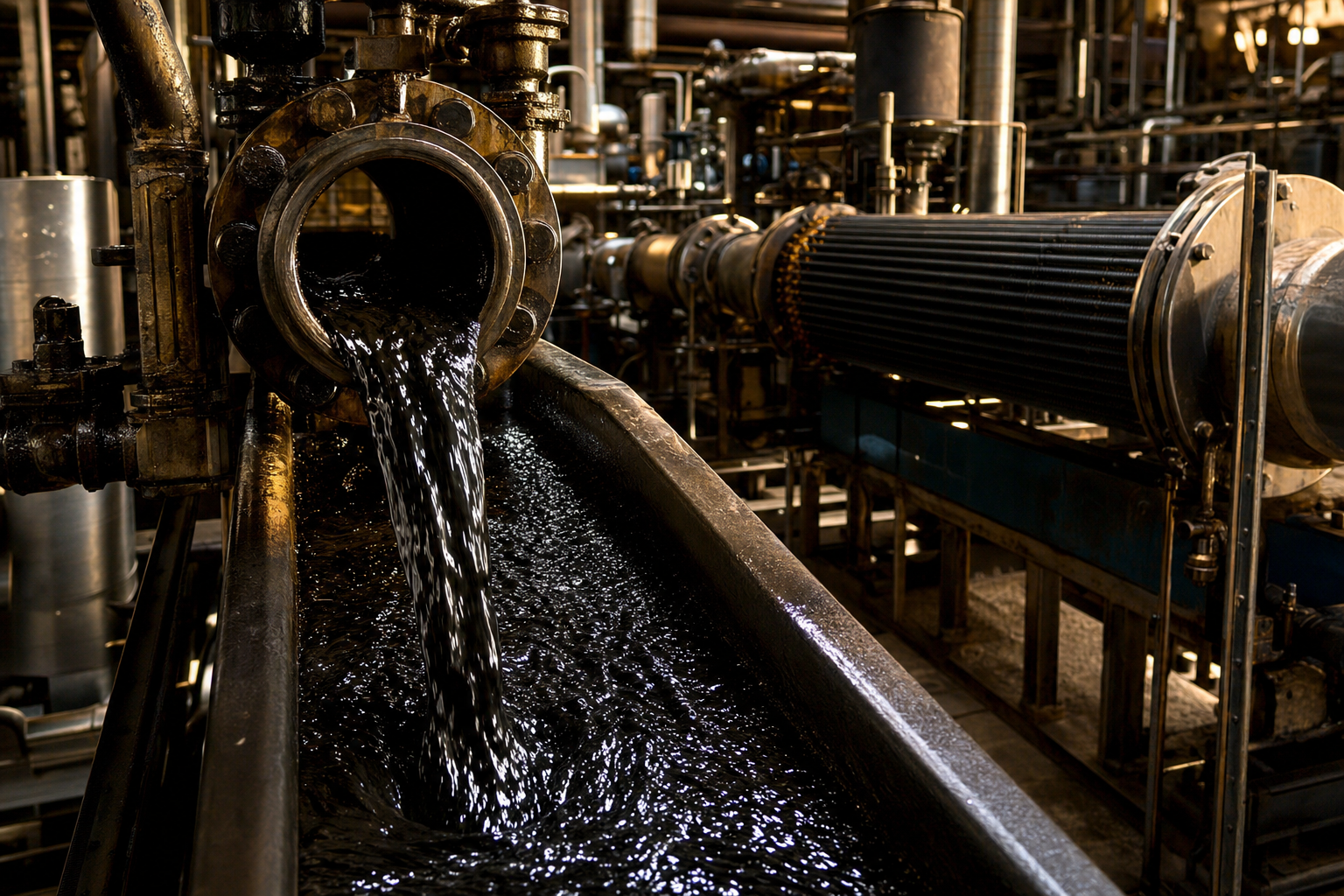 02
Refinery sludge and tank-bottom treatment: why separation starts with sampling
Effective tank-bottom treatment depends on representative sampling, staged separation and proof that recovered oil meets its intended quality—not simply on maximising volume.
 03
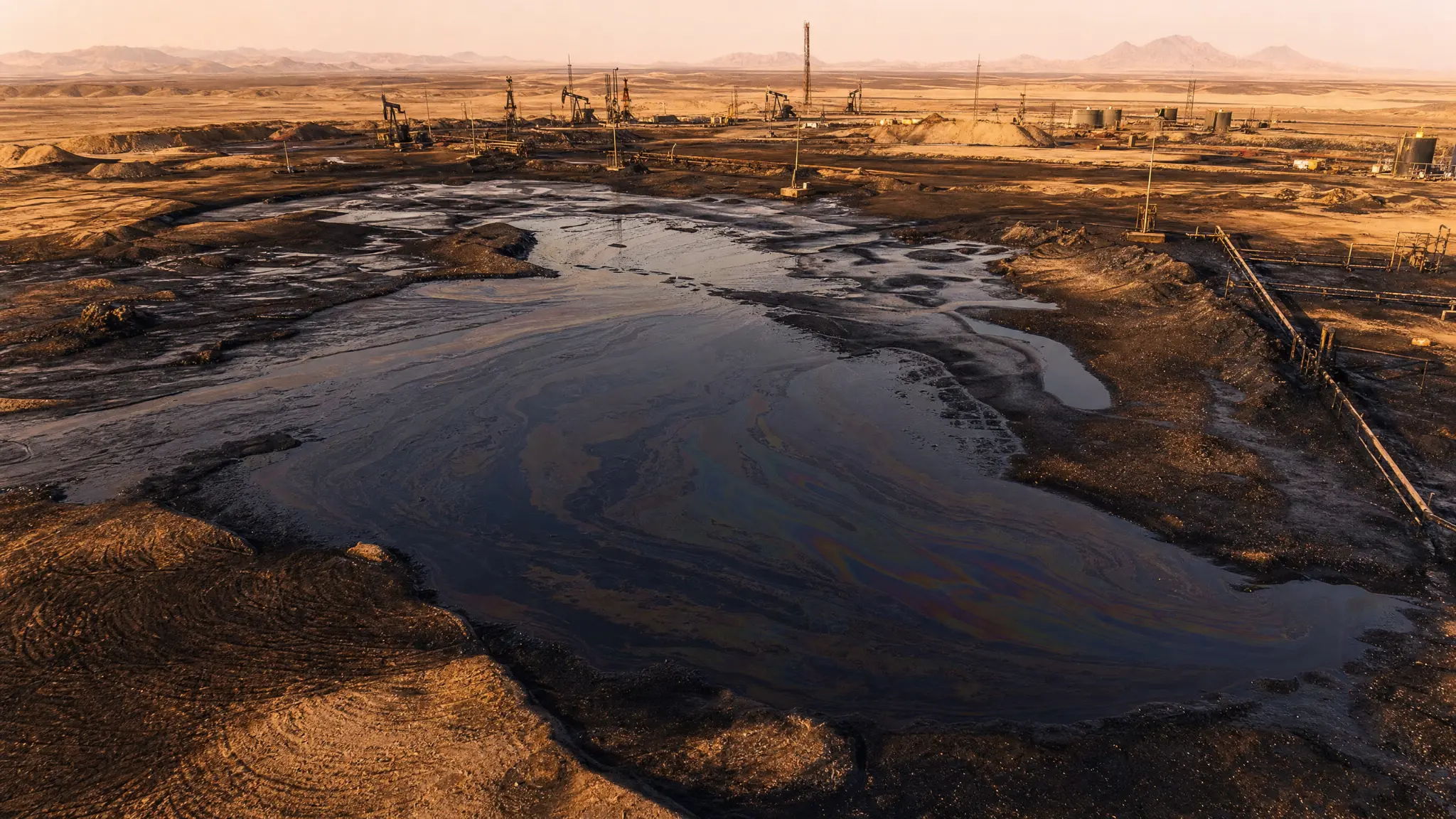
Oily-water separation starts with the oil’s form
Free oil, emulsified droplets and dissolved hydrocarbons behave differently in water. The right separation train follows the contaminant, flow and recovery objective.
 04
Hydrocarbon-contaminated land: why remediation should begin with risk
Effective remediation starts with a defensible picture of sources, pathways and receptors, then matches recovery and treatment to the site’s actual risks.
05Waste hierarchy and hydrocarbon recovery: putting circular resource use into practice
Hydrocarbon recovery can sit above energy recovery and disposal, but only when operators distinguish recovered material from fuel and assess the remaining waste responsibly.
 06
Marine oily residues and bilge water: why 15 ppm is only the beginning
MARPOL Annex I sets an important bilge-water benchmark, but responsible marine waste management depends on the stream, equipment, location and reception route.